Discussion Held on the First-Phase Results of the Project to Develop an Academic Glossary for Physical Education Based on Children's Vocabulary Research
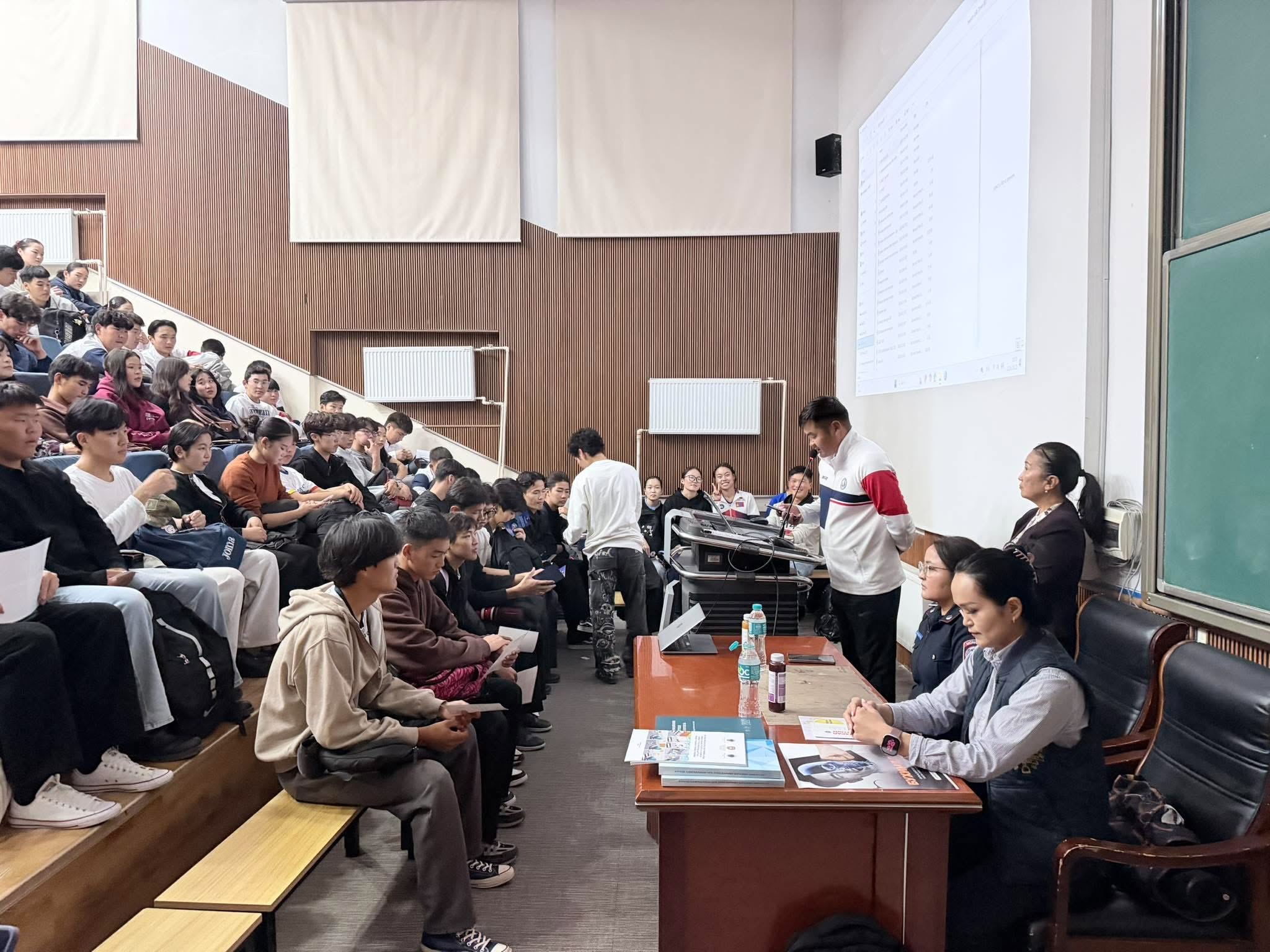
The Ministry of Education and the National Institute for Educational Research successfully organized a discussion on the first-phase results of the project entitled “Developing an Academic Glossary for Primary School Physical Education Based on Research on Children's Vocabulary Resources.”
The discussion brought together researchers and academics from universities that train physical education teachers, teachers from general education schools, representatives of the Institute of Language and Literature of the Mongolian Academy of Sciences, the General Authority for Education, and early childhood education institutions. Participants exchanged views on the current state of children's vocabulary development, the use of academic vocabulary, and the appropriate application of terminology in educational content.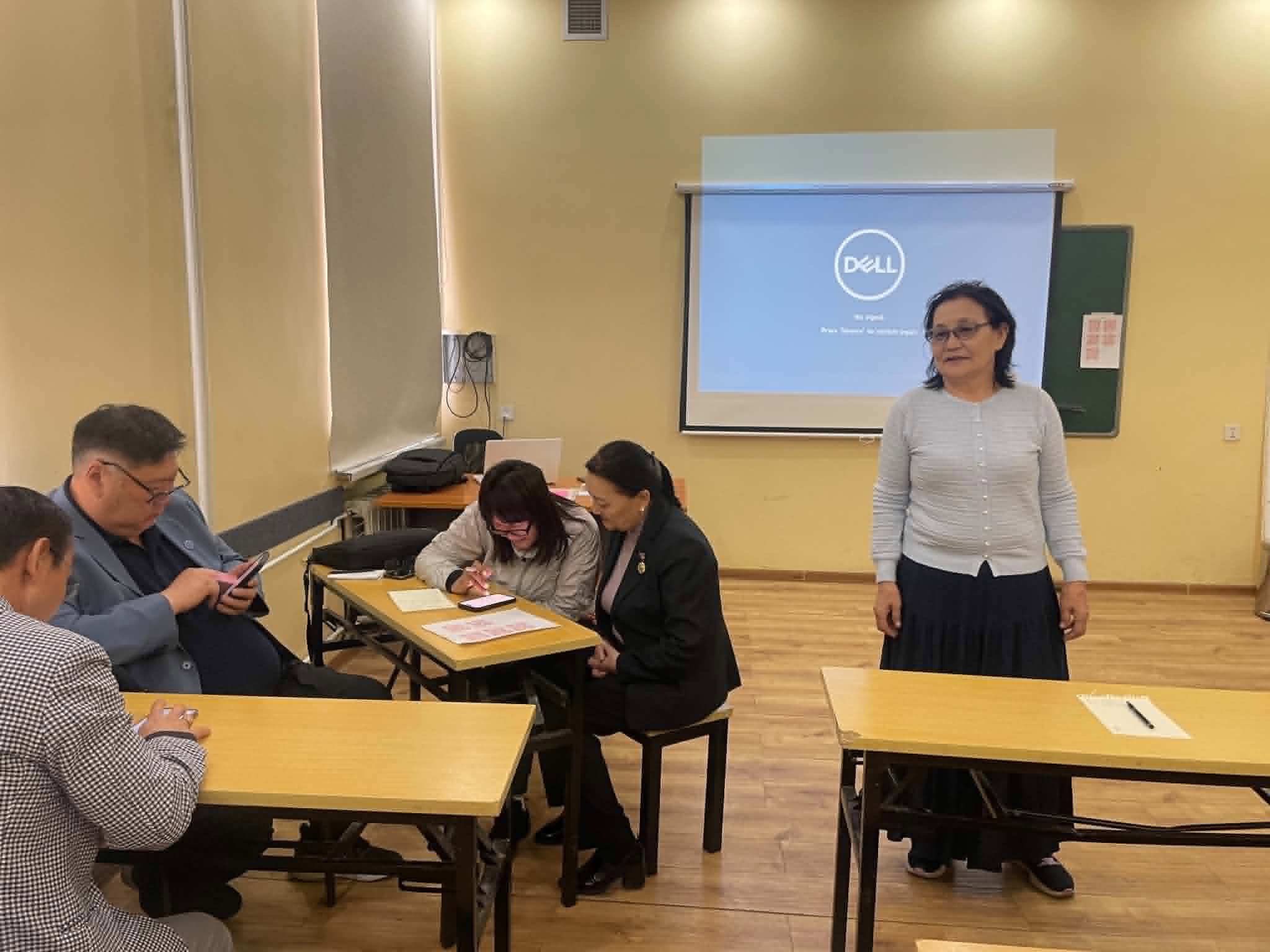
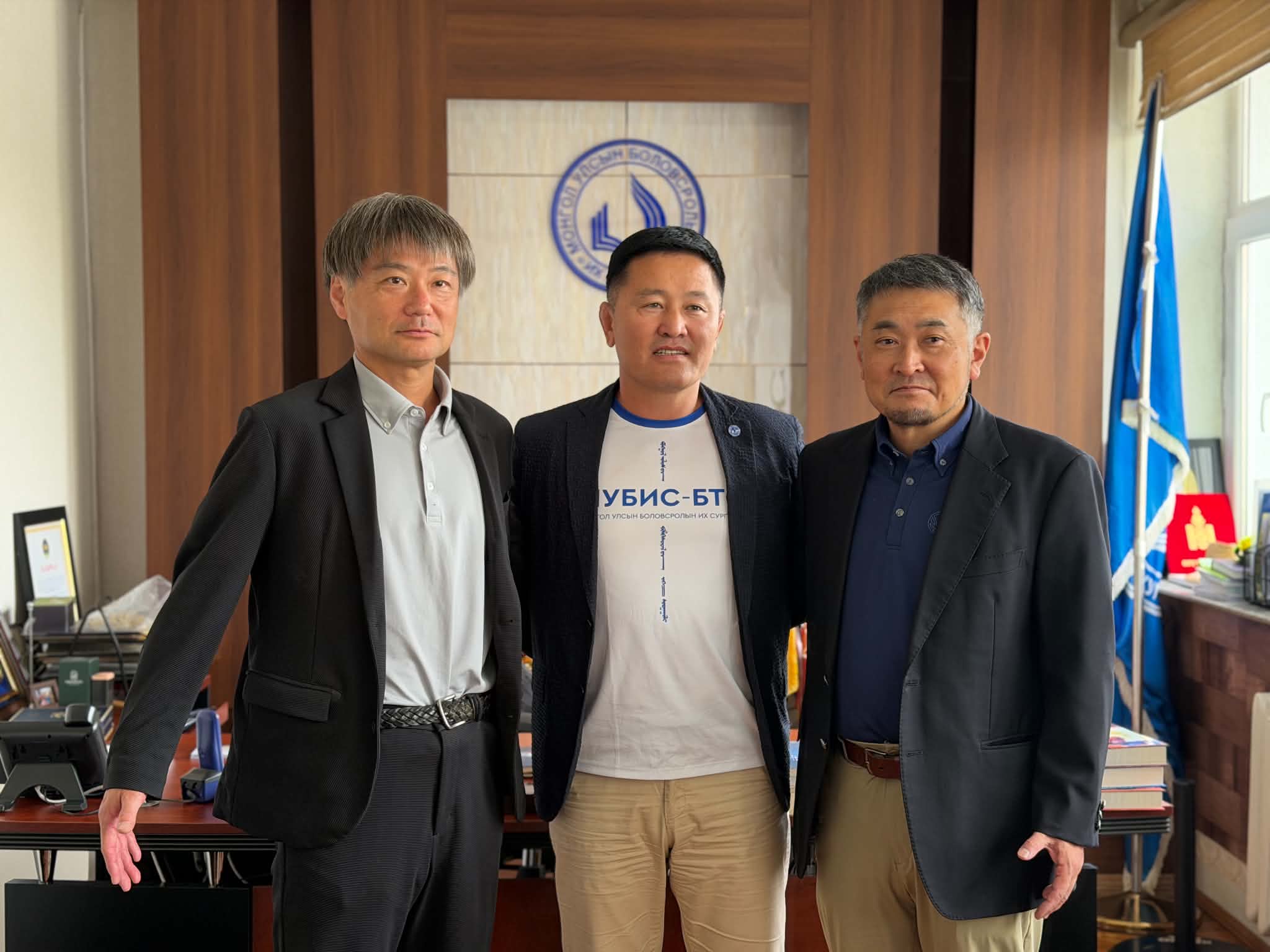
Representing the School of Physical Education of the Mongolian National University of Education (MNUE), Professor L. Urtnasan and Associate Professor I. Jamyandagva participated in the discussion and shared recommendations regarding professional terminology used in primary-level physical education curricula and the development of academic definitions appropriate to children's cognitive and developmental characteristics.
Children's Vocabulary Resources and Learning Achievement
Research conducted both internationally and nationally has demonstrated that the size of a child's vocabulary has a direct impact on cognitive development, reading comprehension, communication skills, and overall academic achievement. Children with a richer vocabulary are better equipped to acquire new knowledge, understand complex concepts, and express their thoughts effectively.
According to educational researchers, the primary school years represent a critical period for language and cognitive development. Vocabulary acquired during this stage forms a foundation for future learning and academic success. Therefore, systematically studying children's vocabulary resources and developing age-appropriate academic vocabulary are essential steps toward improving educational quality.
The Need for Academic Vocabulary in Physical Education
Physical education is not limited to developing motor skills; it also fosters health awareness, physical fitness, teamwork, discipline, and lifelong healthy habits. Throughout the learning process, students encounter academic and professional concepts such as endurance, flexibility, balance, coordination, physical competence, physical development, and healthy lifestyles.
However, many of these concepts require clear and age-appropriate explanations for young learners. An academic glossary developed on the basis of children's vocabulary research will help students better understand key concepts, support teachers' instructional practices, and enhance learning outcomes.
Mother-Tongue Education and National Identity
The Mongolian language is a vital carrier of the nation's culture, history, and intellectual heritage. Research on children's vocabulary resources not only addresses educational needs but also contributes to the preservation, development, and promotion of the Mongolian language.
In the context of globalization, digital communication, and the growing influence of foreign languages, it has become increasingly important to understand how children use and comprehend vocabulary in their daily lives. Such research provides valuable evidence for improving curricula, textbooks, and educational materials while strengthening the role of the Mongolian language in education.
Furthermore, the Constitution of Mongolia, the State Policy on Language, and the Law on the Mongolian Language emphasize the importance of protecting, developing, and properly using the mother tongue at all levels of education. Consequently, enhancing academic vocabulary through research-based approaches is an important component of national language and cultural preservation efforts.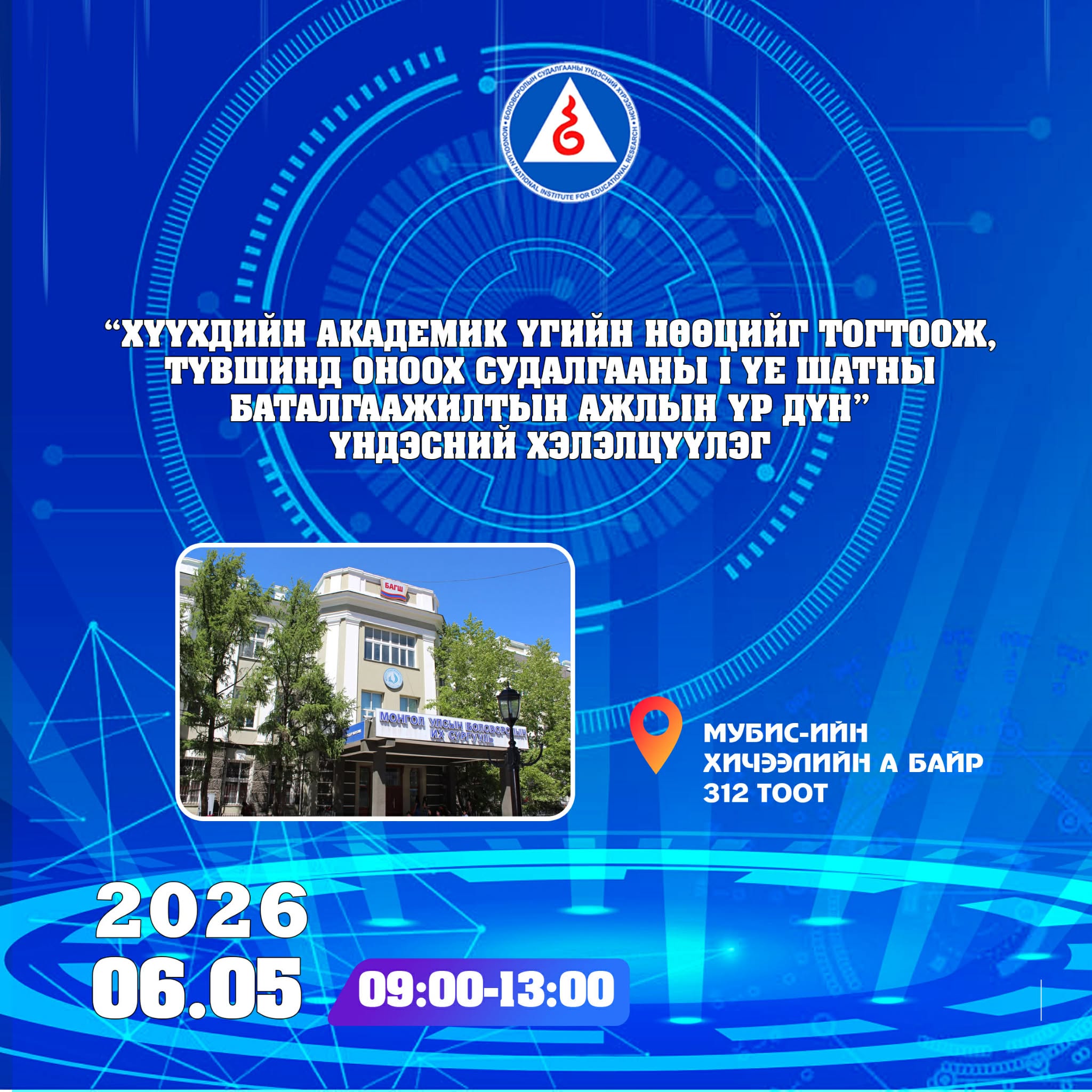
Significance for the Future
The next phase of the project will focus on developing and introducing an academic glossary for primary school Physical Education based on the research findings. This resource will support teachers and students alike, contributing not only to physical education but also to the broader development of children's academic vocabulary, educational quality, and mother-tongue education.
By scientifically identifying children's vocabulary resources and aligning them with educational content, this initiative represents an important contribution to improving learning outcomes, strengthening language education, and preserving Mongolia's linguistic and cultural heritage for future generations.